

45 San Clemente Dr., Suite D230
Corte Madera, CA 94925

Tendonitis That Won’t Heal: Why Chronic Elbow, Shoulder, and Knee Pain Needs a Different Approach

Tendonitis can be frustrating, especially when rest, ice, stretching, or over-the-counter pain relief only helps for a short time. Whether the pain is in your elbow, shoulder, or knee, chronic tendon irritation often means the area is not healing properly or the underlying cause has not been addressed.
At Marin Family Chiropractic in Corte Madera, we look beyond the painful spot. Tendon pain can be connected to joint motion, posture, muscle imbalance, repetitive stress, or the way your body moves during work, exercise, and daily activities.
Why Tendonitis Can Become Chronic
Tendons connect muscles to bones, and they handle a lot of repeated load. When a tendon is irritated again and again, it may become more sensitive, stiff, and slow to recover. This is common with conditions like tennis elbow, golfer’s elbow, rotator cuff irritation, jumper’s knee, or pain around the kneecap.
For many people in Corte Madera, tendon pain starts small. It may show up after typing, lifting, gardening, working out, playing sports, or spending long hours in one position. Over time, the pain can become easier to trigger and harder to calm down.
Why Rest Alone Is Not Always Enough
Rest can reduce irritation, but it does not always fix the reason the tendon became overloaded. If the shoulder is not moving well, the elbow may compensate. If the hips, knees, or ankles are not working together, the knee can take on extra stress. If posture or spinal mechanics affect how the upper body moves, shoulder and elbow pain may continue returning.
That is why chronic tendonitis often needs a more complete approach. Instead of only focusing on temporary pain relief, we evaluate how the area functions and how surrounding joints and muscles may be contributing.
Signs You May Need a Different Approach
If tendon pain has lasted for weeks or keeps returning, it may be time to look deeper. Common signs include:
- Pain that improves with rest but comes back with activity
- Elbow, shoulder, or knee stiffness in the morning or after sitting
- Tenderness that worsens with gripping, lifting, reaching, squatting, or stairs
- Weakness or hesitation when using the affected area
- Pain that limits workouts, work tasks, or everyday movement
How Chiropractic Care May Help
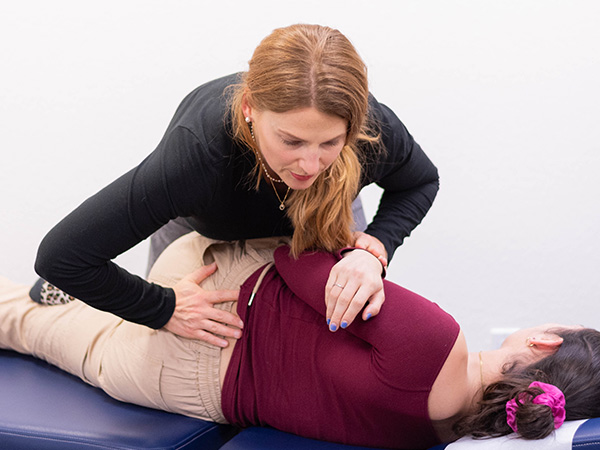
At Marin Family Chiropractic, Dr. Vicki Garfola cab help restore better movement and reduce unnecessary stress on irritated tissues. A chiropractic evaluation may include posture, joint mobility, orthopedic testing, neurological testing, and a whole-body look at how your spine and extremities are functioning.
Care may include chiropractic adjustments, soft tissue work, movement guidance, and recommendations to support better mechanics during daily activities. For chronic elbow, shoulder, and knee pain, this approach can help identify patterns that may be keeping the tendon irritated.
Supporting Long-Term Recovery
Tendonitis that will not heal is rarely just about one sore tendon. It often requires a plan that supports mobility, strength, alignment, and better load management. That may mean modifying certain activities, improving movement patterns, and addressing areas of the body that are creating extra strain. If you are dealing with ongoing tendonitis in Corte Madera, we can help you better understand what may be contributing to your pain and what steps may support recovery.
Schedule a consultation at Marin Family Chiropractic to learn what may be contributing to your chronic elbow, shoulder, or knee pain and how a personalized chiropractic approach may help you move with less discomfort. Visit our office in Corte Madera, California, text (415) 496-9303, or book an appointment online today.
© 2026 Marin Family Chiropractic. All rights Reserved - Accessibility Statement - Privacy Policy - Sitemap
Powered by